

The Engineers Reuse Collective is a not-for-profit group of practising engineers championing, accelerating and delivering reuse in the built environment. More →
Recent Posts
Filter by
-
Case Study:
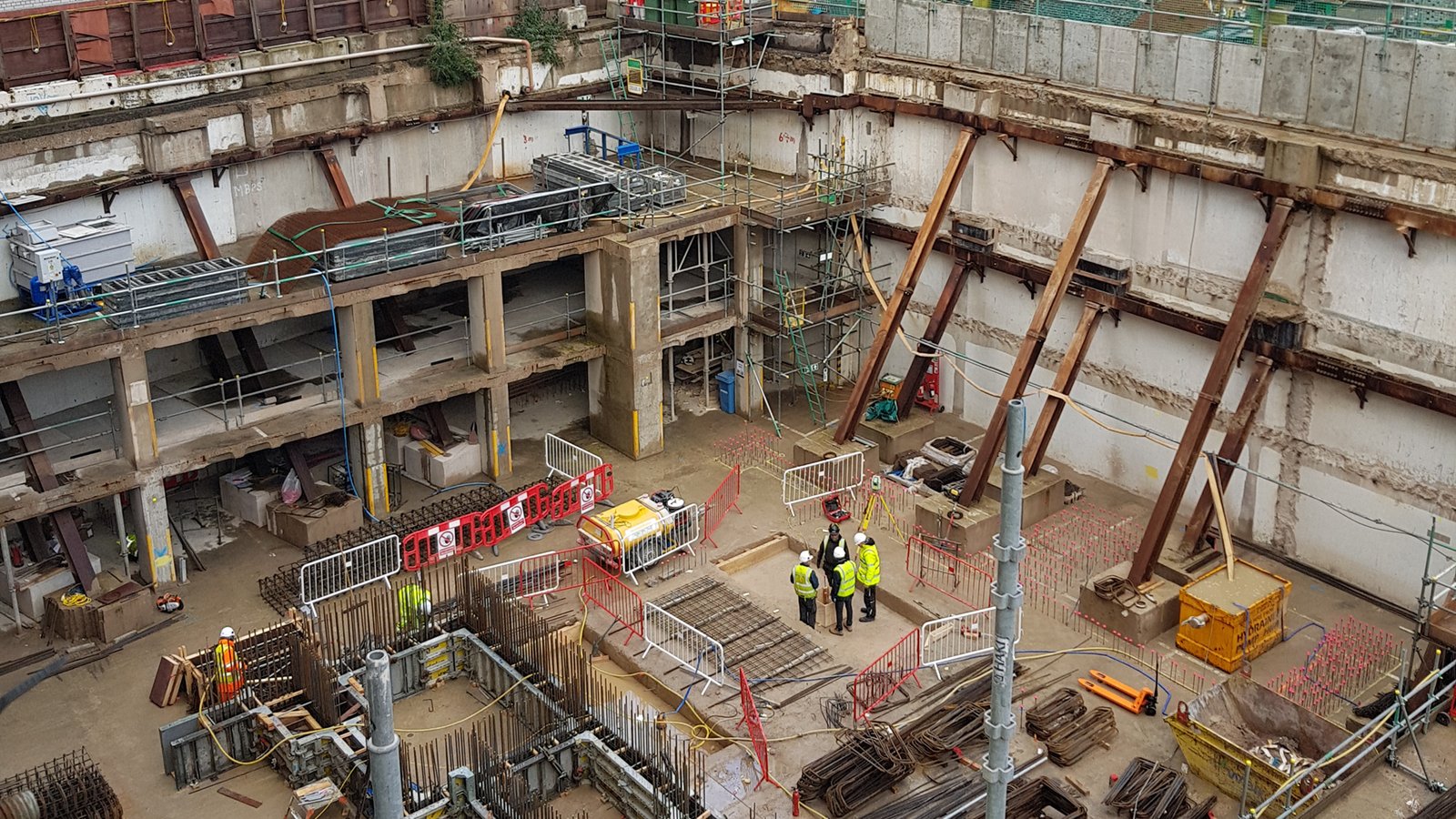
103 Colmore RowRead more: Case Study:A 26-storey office tower that reuses the existing four-storey basement and foundations of the building which previously occupied the site, despite being 70% taller than the original.
103 Colmore Row -
Case Study:
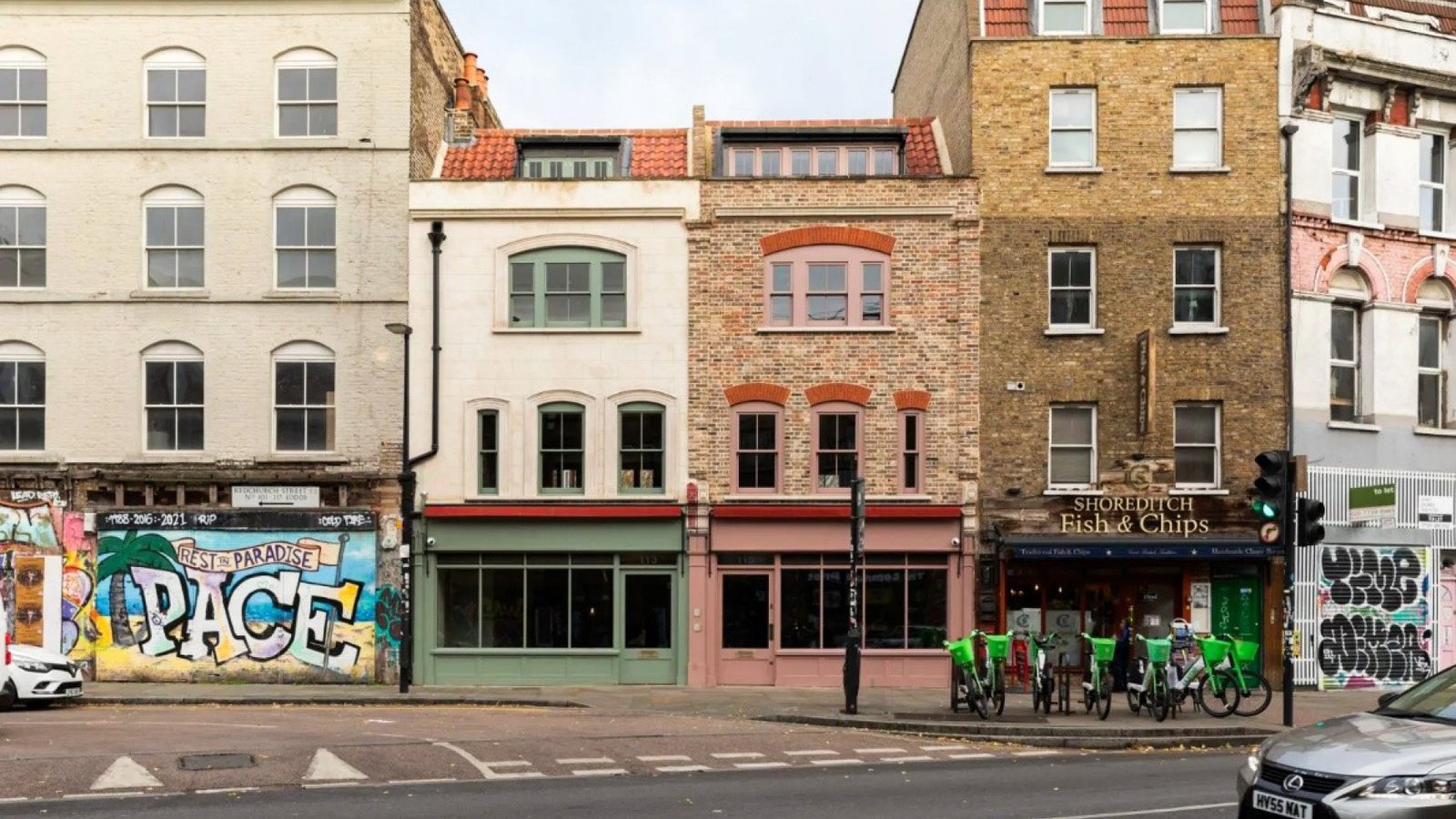
113-115 Redchurch StreetRead more: Case Study:Two Grade II listed weavers’ houses, spared demolition through an investigation-led refurbishment that prioritised retention of existing fabric and kept structural interventions to a minimum.
113-115 Redchurch Street -
Case Study:
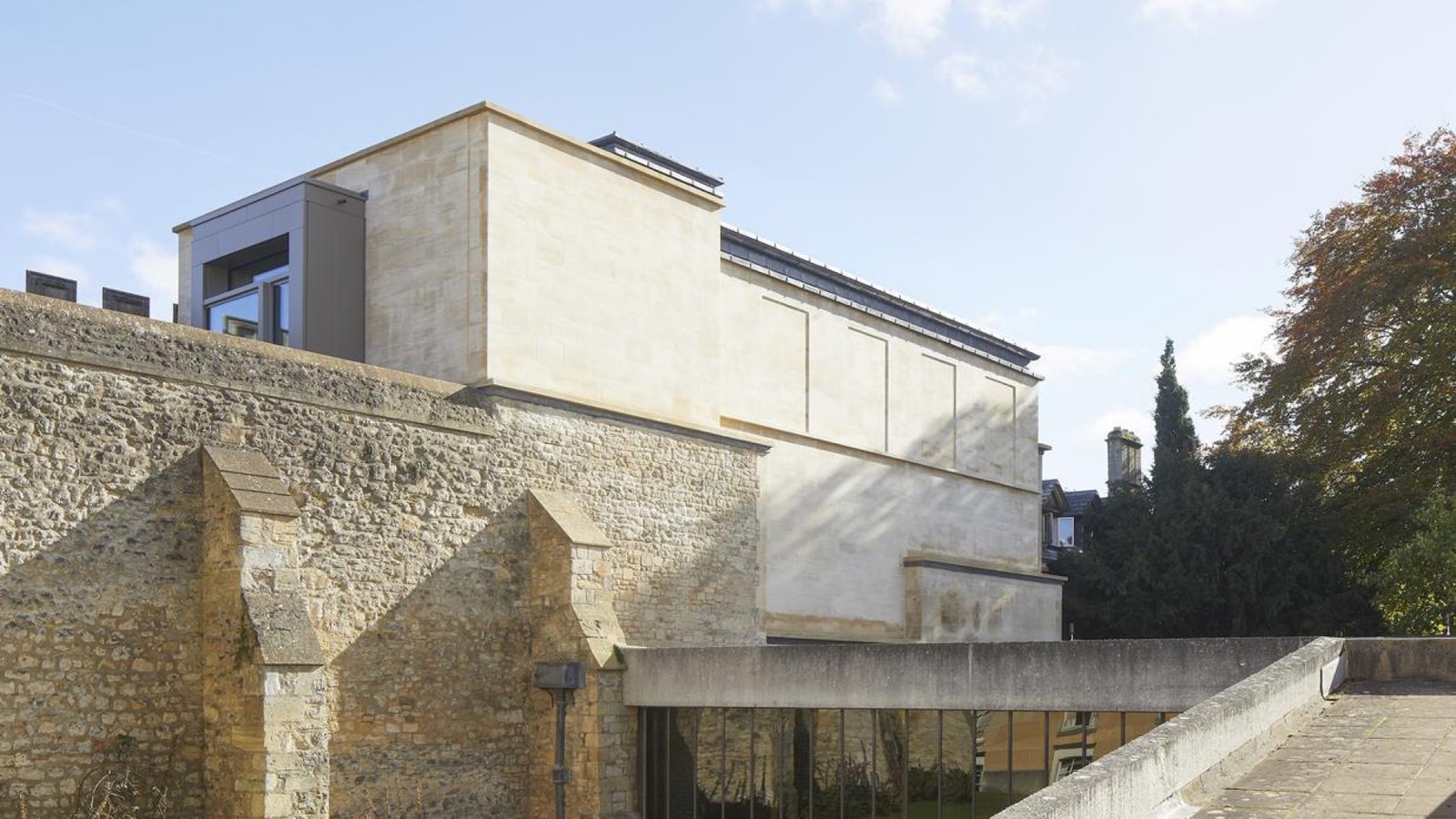
Spencer BuildingRead more: Case Study:The Spencer Building at Corpus Christi College demonstrates ambitious sustainability targets delivered through conservation-led design, forensic engineering and a retention-first strategy on a constrained site.
Spencer Building -
Case Study:
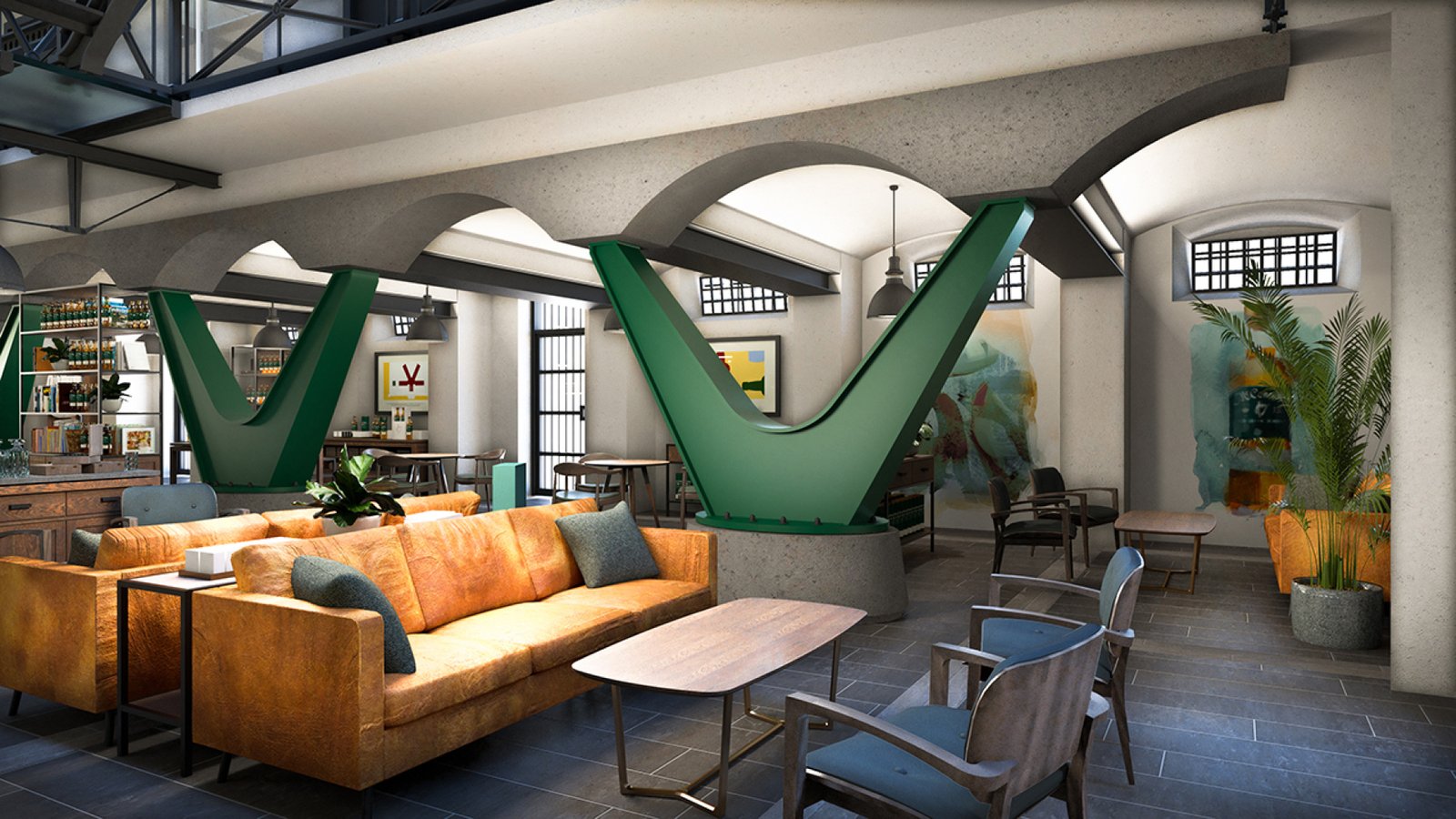
McConnell’s DistilleryRead more: Case Study:The conversion of the derelict A-Wing of the Grade A listed Crumlin Road Gaol demonstrates how adaptive reuse can preserve significant heritage fabric while introducing a new commercial use.
McConnell’s Distillery -
News:
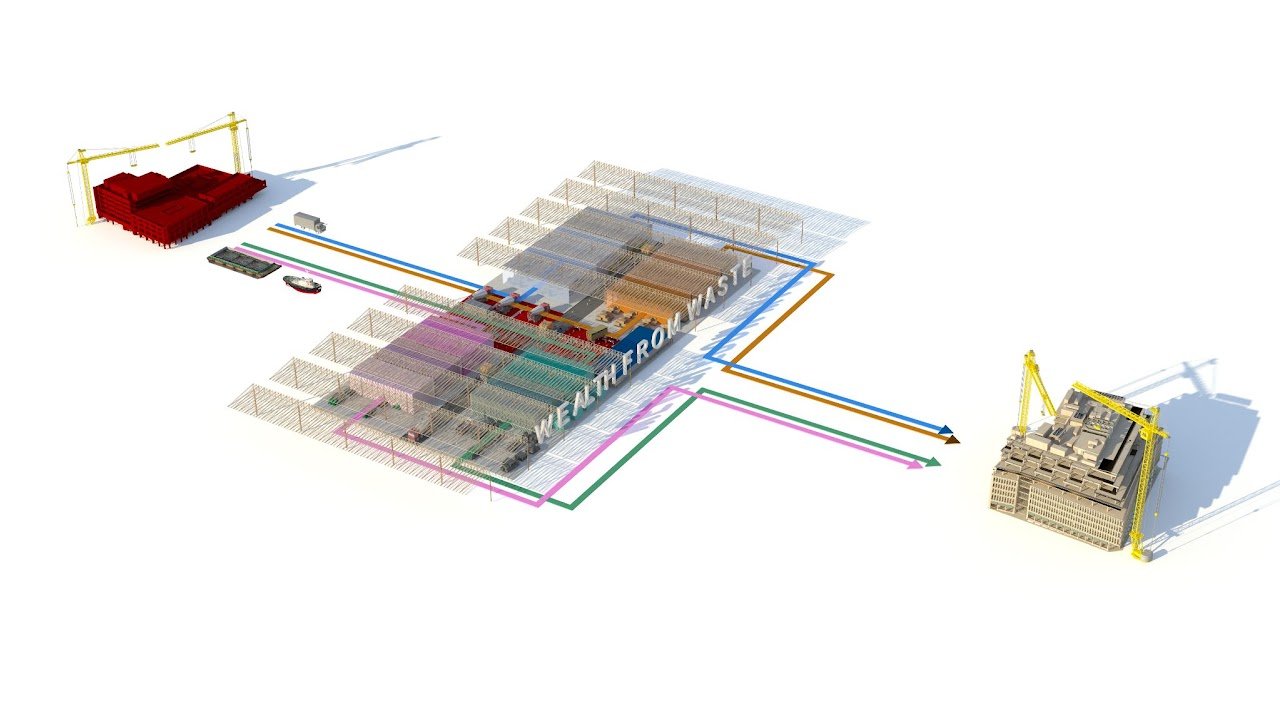
tERC part of NuBau Labs™: a new European initiative to scale structural material reuseRead more: News:The Engineers Reuse Collective is a key project participant in NuBau Labs™, a €4m Horizon Europe-funded initiative launched this month to tackle one of the most persistent challenges in construction: how to test, certify and remanufacture salvaged concrete and steel so that they can be confidently reused in new buildings.
tERC part of NuBau Labs™: a new European initiative to scale structural material reuse -

News:
Draft London Plan consultation:
tERC responseRead more: News:The Engineers Reuse Collective has provided a response to the draft London Plan consultation 2026. We support the direction of the draft Plan, which goes further than the current Plan. But we do not think it shows the ambition or the leadership London needs on existing buildings and embodied carbon.
Draft London Plan consultation:
tERC response -
Event:
tERC Annual Meeting
18 November 2026: LondonRead more: Event:MEMBERS ONLY. Our Annual Meeting for tERC members to discuss what we’ve been doing, plans for 2027, and to get your input, thoughts and feedback on tERC’s next steps.
tERC Annual Meeting
18 November 2026: London -
Resources:
An Introduction to BS EN 1990-2:2026
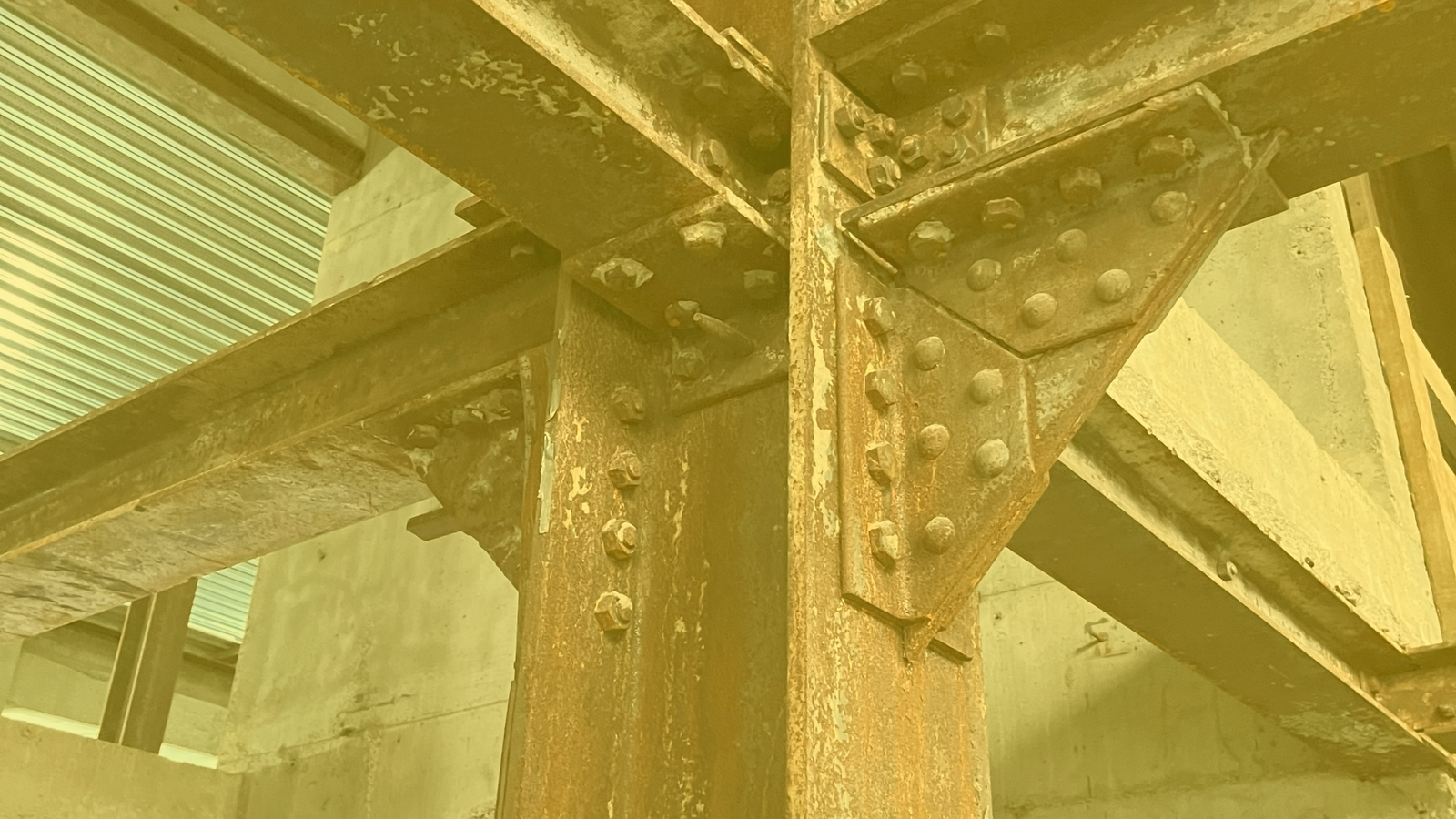
Briefing Note BN-001Read more: Resources:This Briefing Note provides an introduction to BS EN 1990-2:2026 Eurocode – Basis of structural and geotechnical design – Part 2: Assessment of existing structures, which sets out the requirements for the assessment of existing structures within the structural design standards. The publication of BS EN 1990-2 provides a common framework for this work, covering…
An Introduction to BS EN 1990-2:2026
Briefing Note BN-001 -
Case Study:
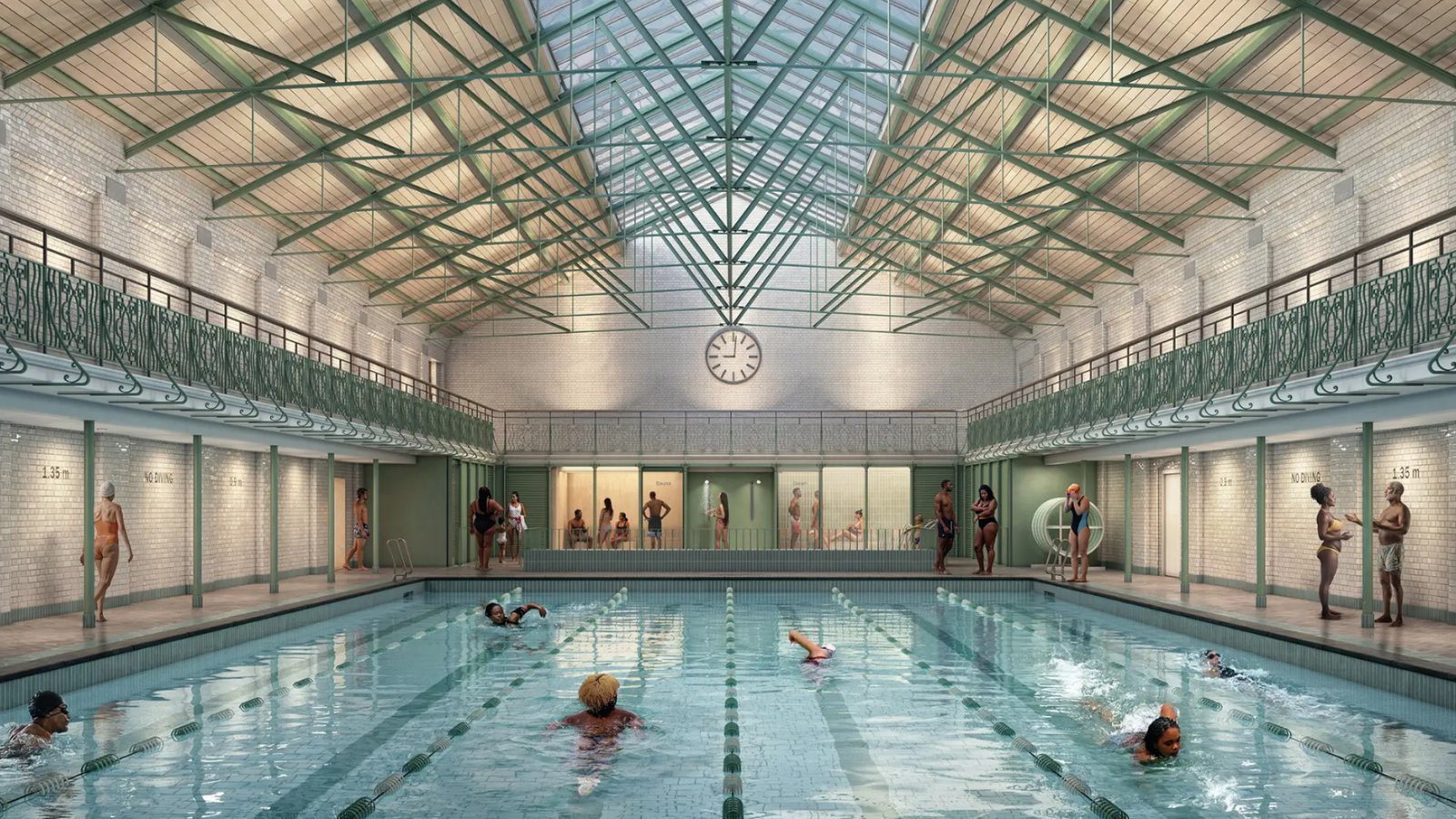
Kings Hall Leisure CentreRead more: Case Study:A Grade II listed bath house, subject to a programme of repair and retrofit designed to bring its facilities up to modern standards while retaining as much of the existing building fabric as possible.
Kings Hall Leisure Centre -
Event:
Punk Pecha Kucha 2026
19 November 2026: LondonRead more: Event:Six bands. Twenty minutes each. No encores. Punk Pecha Kucha returns for its third year. The rules have not changed. The venue is bigger.
Punk Pecha Kucha 2026
19 November 2026: London -
Case Study:
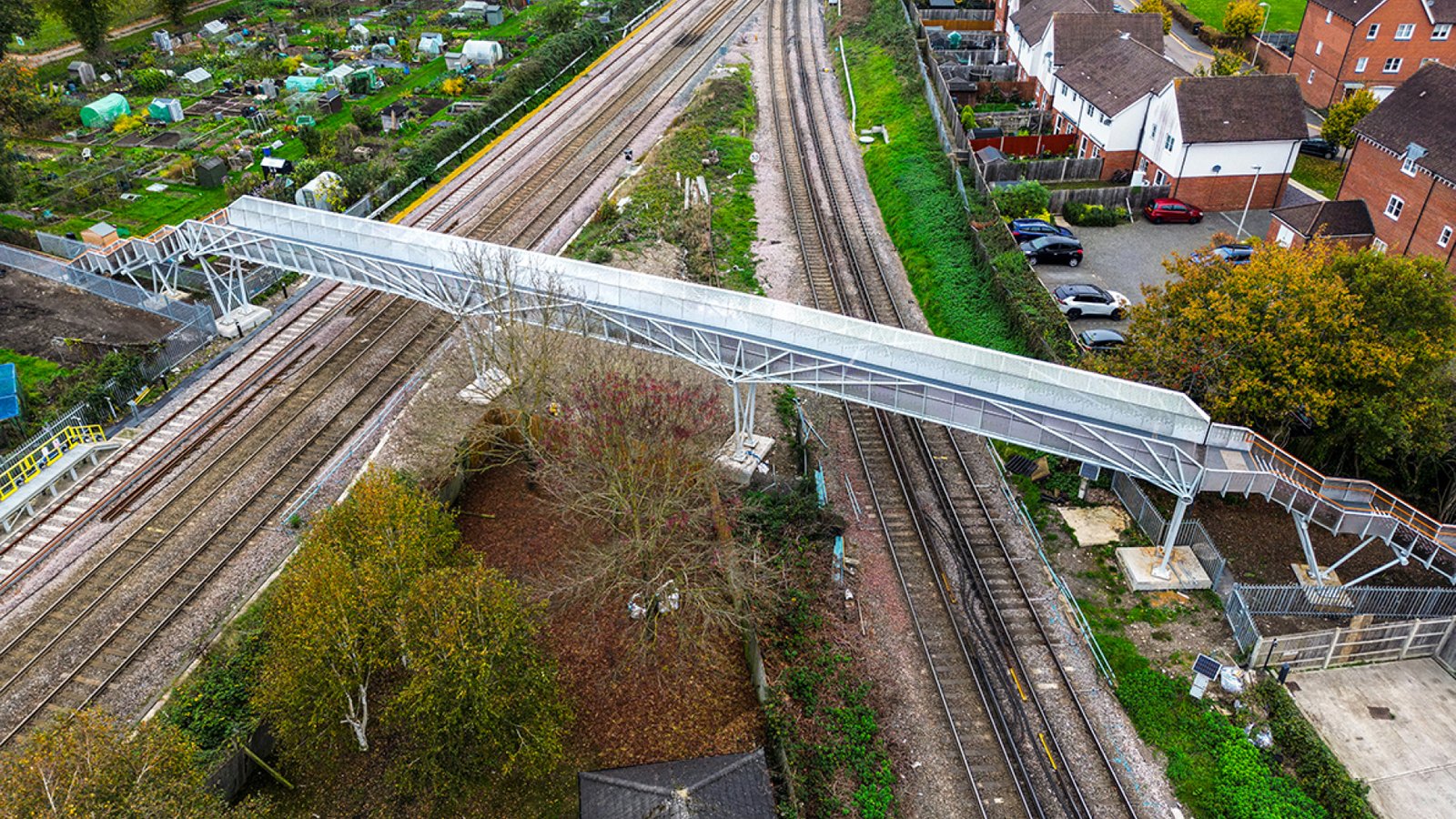
Tan House CrossingRead more: Case Study:A stock-led design footbridge for Network Rail, with the structural typology shaped by available materials and sections, not the other way around.
Tan House Crossing -
Case Study:
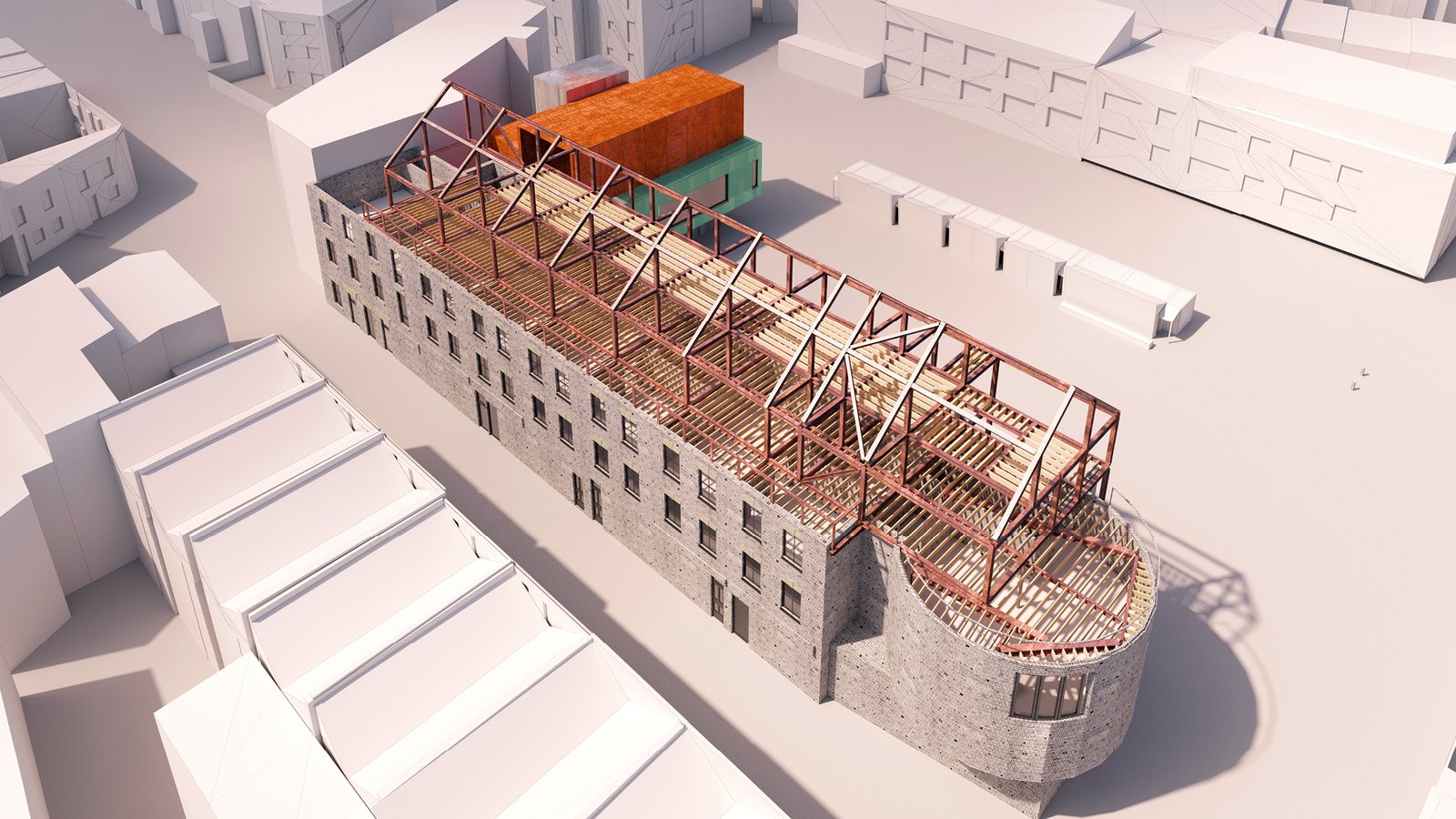
Bradbury WorksRead more: Case Study:A Victorian office building in Dalston retained and extended to provide 500 square metres of additional affordable workspace, without overloading the existing structure below.
Bradbury Works -
Event:
Building Resilience Through Reuse
4 November 2026: LondonRead more: Event:We’re delighted to be partnering with ASBP and other industry leaders on this full day event to champion the reuse agenda and drive change across the built environment. We’ll be leading a workshop on designing for reuse as a risk management strategy.
Building Resilience Through Reuse
4 November 2026: London -
Event:
AI for Steel Reuse
14 October 2026: LondonRead more: Event:tERC, ASBP, Cleveland Steel & Tubes, and ēfestos present a joint session on how artificial intelligence is being applied to structural steel reuse, drawing on early learnings from the STEEL-TRIAGE project.
AI for Steel Reuse
14 October 2026: London -

Event:
Talking Reuse: Adaptive Reuse
23 September 2026: GlasgowRead more: Event:This session brings together a number of adaptive reuse projects to look at what happens when buildings are given a new lease of life rather than demolished and replaced.
Talking Reuse: Adaptive Reuse
23 September 2026: Glasgow -
Event:
Talking Reuse: Rehabilitating Buildings
16 September 2026: LondonRead more: Event:Join us for a session exploring how existing buildings can be upgraded, adapted and kept in use, rather than knocked down and replaced.
Talking Reuse: Rehabilitating Buildings
16 September 2026: London